The Big Questions and Hot Topics from Money 20/20 USA
Money 20/20 is like Christmas in many ways. There's a lot of hard work and preparation in the run-up. Here's what we learned.
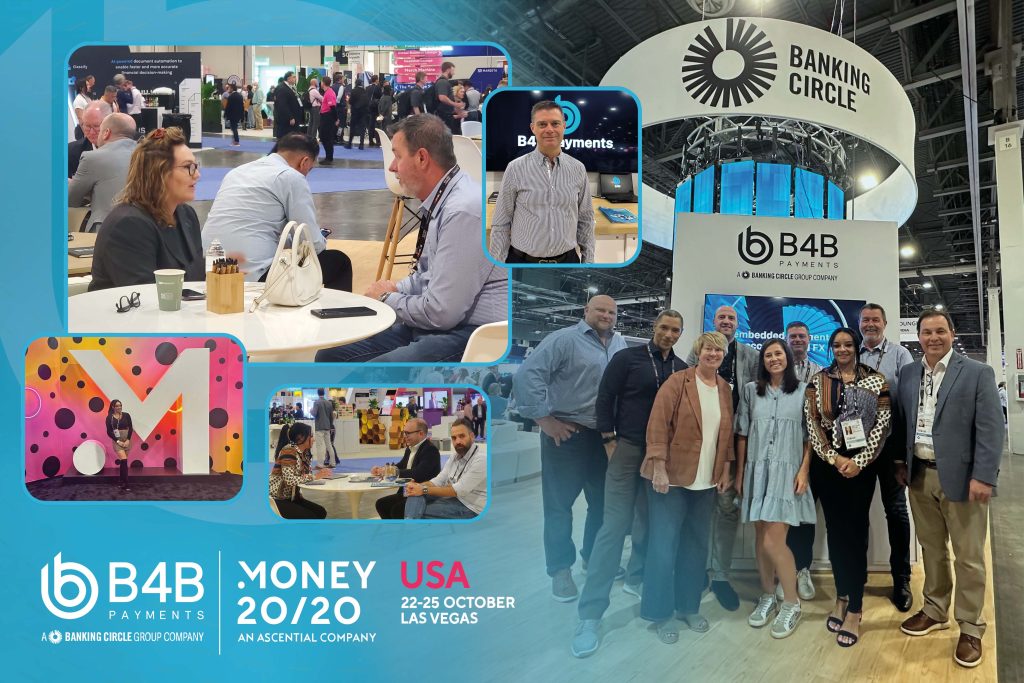
Money 20/20 is like Christmas in many ways. There’s a lot of hard work and preparation in the run-up, especially if you are hosting a stand. And then it’s all a bit of a blur for a few fantastic days.
The B4B Payments team got together recently to unpack our observations, compare notes, and consolidate our learnings. Here are some of our key takeaways from Money 20/20 USA, held in Las Vegas.
Digital identity and a Snickers bar
After just a few minutes of walking the event floor, you would have been struck by one thing. Digital identity was front and centre, both in terms of exhibitor stands and speaker sessions.
In one lively panel session, the topic of data access and identity governance was discussed. Digital identity expert Dave Birch questioned whether consumers really knew the value of their own data and speculated that most of them ‘would be happy to give away all their personal data to Facebook for a Snickers bar.’ This clearly indicates there needs to be some formal structure for identity and data access that is fair and equitable for all parties.
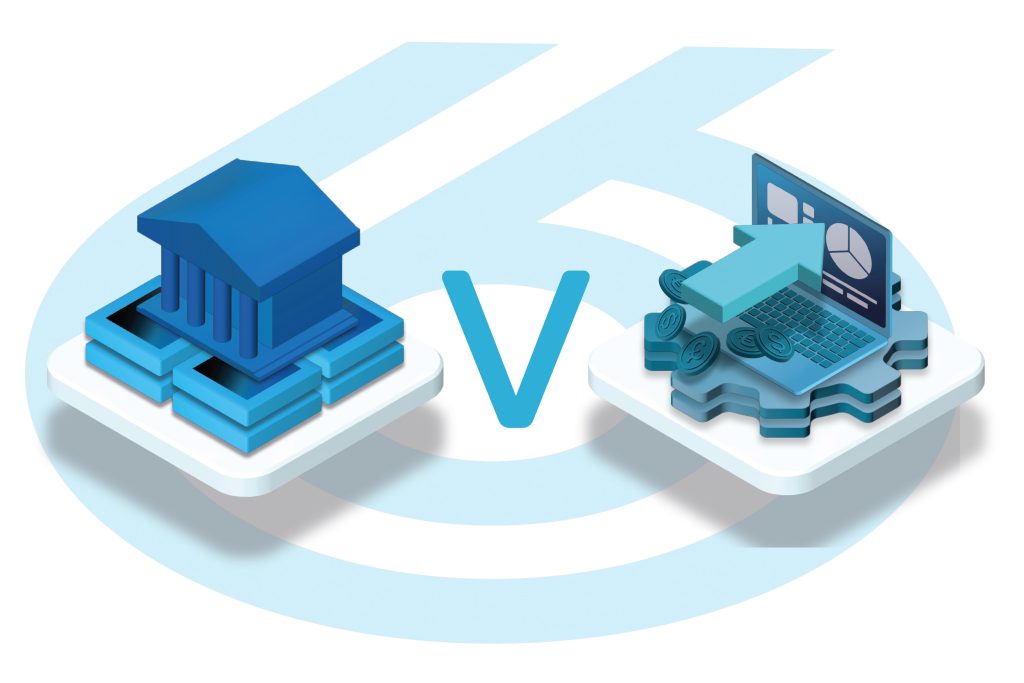
The Banking-as-a Service (BaaS) versus Embedded Finance debate
A big talking point on the B4B Payments stand was the confusion between BaaS and embedded finance among our U.S. visitors.
Of those who had heard of BaaS, many did not really know the difference between it and embedded finance – or simply assumed they were the same thing.
By the end of the event, we had boiled down our explanation of the difference between the two into these three major areas:
- Different functionality – BaaS gives you the ability to offer traditional banking services. These are usually provided by a bank or licensed fintech service provider via a single API. Embedded finance, on the other hand, offers a much broader set of financial services via multiple API integrations.
- Different use cases – BaaS is generally used by organisations for whom financial services are their core offering, such as Neobank. Embedded payments are often used by companies for whom financial services are not their core offering, such as a telecoms company. In this case, the telecoms provider could use embedded finance to help their customers buy more of their products by taking out a loan or offering a BNPL option.
- Different supplier relationships and regulatory obligations – BaaS is usually provided through a single supplier (a bank or a more modern licensed fintech such as B4B Payments). The supplier takes on the bulk of the regulatory burden, and their clients are expected to adhere to specific regulations. These will be monitored by the BaaS provider. With embedded finance, the regulatory responsibilities are distributed between the different financial service providers and non-financial companies.
Some topics that were not so hot
Similarly, the metaverse was not such a hot topic as we all await stronger case studies and more decisive evidence of customer adoption.
The lack of open banking exhibitors or content highlighted the difference between the US and European markets. This is something that is likely to grow in the future as open banking gathers pace in the US.
The technology gap exposed
The differences between the U.S. and Europe in terms of payment technology and experiences remain quite stark. One of the clearest examples of this was highlighted during the ‘Keeping Up with Expectations in Embedded Finance’ panel session at the start of Day 2.
Daniel Crisologo, Director of Payments from Nordstrom, stated that their business had only started offering contactless in response to the COVID outbreak in 2020. In the UK, the rollout of contactless payment acceptance by the largest organisations happened more than a decade ago. Contactless payments accounted for over 70 per cent of pay-as-you-go transactions at Transport for London (TfL) by 2022 – including paying for more than 2.5 billion TfL bus journeys in that time.
Similarly, BNPL was discussed as an emerging payment option for U.S. consumers, but it is well-established in the UK and Europe. BNPL is predicted to grow at 25% each year in the UK from 2022 to 2028. This is partly due to its ability to help consumers through the current cost of living crisis.
The customer experience
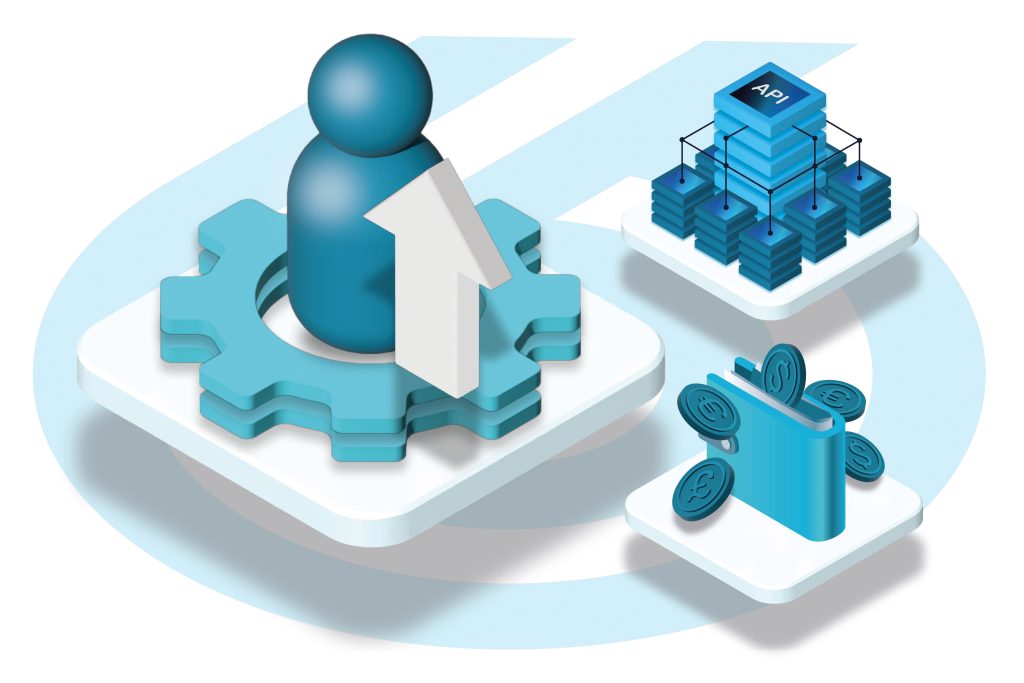
The panel discussed the importance of delivering a consistent customer experience. Whether you are serving consumers or business buyers, it is essential to make the same payment options available across all channels for a friction-free, high-converting buyer experience.
The trend towards digital wallets was a talking point, given predictions that their user base will grow strongly to exceed 5.2 billion globally by 2026, an increase of over 53% from 2022 levels. This is because of the potential for universal and merchant wallets to empower consumer purchasing and increase loyalty.
In a discussion that was relevant to both BaaS and embedded finance, the topic of commercial models was raised and the need to condense those across the virtual SaaS industry. Using a single service provider with one API integration is a good start. The need to simplify layers and connectivity in the payment orchestration process will also be key to preventing friction for buyers and impacting conversions.
Staying ahead of the game
As B4B Payments continues to grow from its UK base to the U.S., it is interesting to note the differences and nuances between these two dynamic markets. Money 20/20 remains the industry barometer for payment conversations and trends.
The interest in embedded payments is strong, and the U.S. market is beginning to understand the important differences and opportunities offered by Banking-as-a-Service.
In difficult economic times for both business buyers and consumers, it is good to see the payments industry continuing to focus on how it can most effectively empower businesses and enhance profitability.